

Explaining 'Brand Worldview' – why mission & values aren't enough
Corporate advocacy should never be about Trump (or any singular person, moment or trend) – but good strategy always adapts to evolving political and cultural context
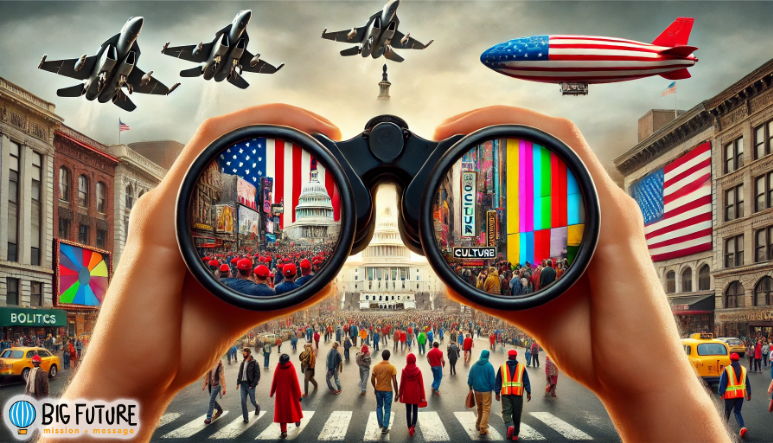
It’s probably good that basically zero brands are “standing up” or “speaking out” about President Trump’s actions during his first week in office.
Because let’s be clear: a corporation’s decision to embrace advocacy should not be centered on Donald Trump – or hinge on any specific elected official, political moment, or cultural trend.
Instead, advocacy strategy development should originate when it’s clear a company possesses the following:
A fundamental desire to improve business and brand health,
A clear vision of its unique role in society and the value it creates, and
A deep understanding of the communities it serves (plus other stakeholders)
At the most basic level, any company with a strong grasp of these simple considerations is absolutely “qualified” to begin laying down an advocacy strategy that will help achieve gains any company would want: a) benefitting the public good, b) boosting goodwill, and c) growing the business. Of course, it’s vital to start by developing a thoughtful strategy to illuminate a tightly focused advocacy agenda that connects deeply to your business, your brand, and what’s relevant for your community.
On the other hand, a brand embarking on any form of advocacy out of fear, pressure, or in response to trends is unlikely to achieve any of these benefits – and will probably fall flat on its face. We saw a lot of this when Trump first came to power in 2016 and after the murder of George Floyd and racial justice reckonings in 2020 – typically in the form of one-off gestures without much strategic grounding.
At worst, leaping at flashpoints or crises without effective preparation or an established track record of action leaves a brand exposed to risk – from public embarrassment to painful boycotts. At best, it’s a recipe for getting stuck in reaction mode – flailing around without a central compass to ensure the business stays oriented toward consistent advocacy objectives established intentionally.
Brand Worldview: the place where values meet variables
Of course, that doesn’t mean Trump and other elements in the current cultural and political zeitgeist aren’t important. In fact, they’re absolutely critical.
When I advise companies seeking guidance on how to navigate a tough political environment (um, points finger at January 2025), I often start by explaining a concept we at Big Future call “Brand Worldview.”
A Brand Worldview is defined as the place where a company’s core values, principles, and/or advocacy agenda – which change rarely, if ever – meet the current cultural and political context. It should remain mostly consistent at its core, because your fundamental POV on what’s important hasn’t changed. But it will also be shaped at the edges by the zeitgeist of a current moment.
Cultivating an ever-evolving, well-informed Brand Worldview requires sharply tuned listening skills and a close eye on what’s driving positive and negative energy in the public discourse – in the press, on social media, in national, state and local politics, among your employees and within the spaces where your core customers spend time. And it serves a critical purpose: making sure you don’t accidentally step into a live firestorm or run into an emotional buzzsaw that didn’t exist two months earlier.
Practically speaking, your Brand Worldview – and the process required to maintain it – keeps your senses sharp about what parts of your agenda to prioritize in a given moment, what messages will resonate better than others, and how to set the volume on your efforts (on a spectrum from quiet financial support to thought leadership in targeted media outlets to 360-degree brand campaigns). Crucially, anyone in your company involved in communications, marketing, or outreach needs to be fluent in your Brand Worldview – and also feel safe flagging cultural or political events that might require evolving it.
A Brand Worldview gives your brand the focus & confidence to advocate for a clear agenda connected deeply to your core business, brand identity, and audience needs.
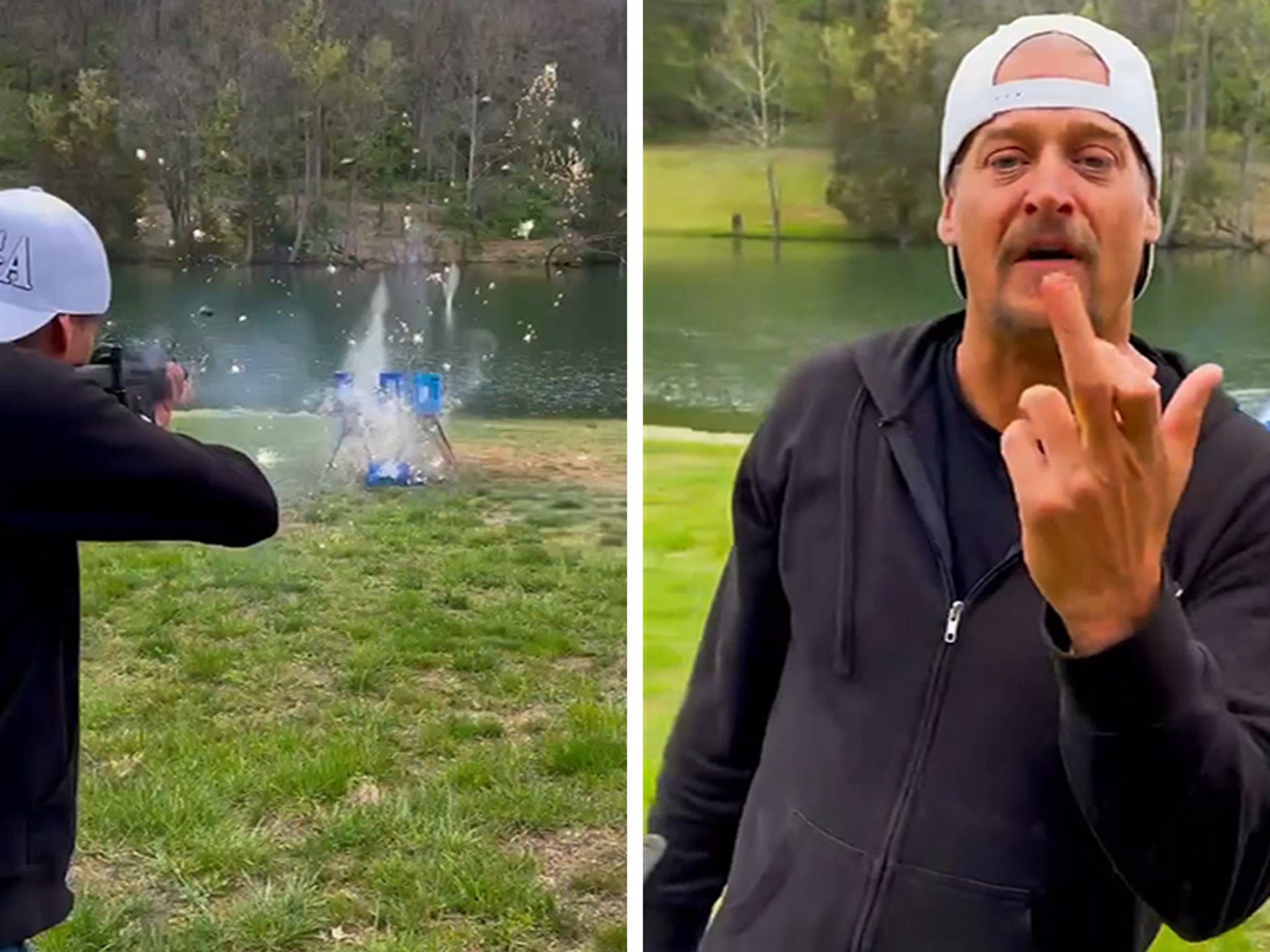
It also ensures you don’t accidentally step into a cultural buzzsaw that didn’t exist two months earlier. Y’know, like when Kid Rock vaporizes your product with an AR-15 in a video seen by millions of core customers.
Case study: Bud Light learned the hard way – so you don’t have to
In early 2023, Bud Light perfectly illustrated what failure to maintain a sharp Brand Worldview can look like. Most people remember the sensational bits: the brand partners with a Transgender influencer Dylan Mulvaney; a disgusted Kid Rock vaporizes a case of beer with an AR-15 in a social media video; Bud Light initially responds by dropping Mulvaney like a bad date, which only inflames the LGBTQ+ community and their allies. The entire catastrophe – which grew over weeks and weeks and upset investors, wholesalers, and accounts, plus most of the political left and right – cost the brand up to $1 billion in sales.
What folks didn’t – and don’t – remember is that Bud Light supported Pride and LGBTQ+ equality as a sturdy mainstay of its brand for years – including Pride flag-themed cans, a strong Bud Light presence at major Pride festivals, and even a TV spot called “Labels” in which Amy Schumer said the actual words, “Gender identity is really a spectrum.” So why did some people go apeshit over a modest influencer partnership?
Well, cultural attitudes had shifted – but the team at Bud Light failed to adjust its worldview accordingly. With same-sex marriage settled law in the United States, right-wing activists turned the spotlight on transgender rights as a social wedge issue in the lead up to the 2022 midterm elections. Misinformation promoting anti-trans stigma proliferated as GOP-controlled state legislatures passed anti-trans laws in dozens of states, ratcheting up Transphobia across the country. All this led to skyrocketing incidents of transgender hate and violence between 2022-2024.
Bud Light’s biggest mistake (among many) was failing to recognize the growing distinction between support for LGBTQ+ rights broadly, and how some people feel about the “T” specifically. The brand didn’t seem to consider what might happen if it dropped into a new social justice vector for the first time, right during a national flashpoint in the discourse around that specific vector, as heated and divisive as anything in our culture. Wind back time and they could have predicted it might land like a shocking betrayal to a big chunk of Bud Light fans. And the worst thing a brand can do in advocacy is catch its key audiences by surprise.
Look, it’s impossible to please everyone. But when the people who trust your brand – not to mention the pundits, political agitators, trolls and activists – think they’ve discovered a “hidden agenda,” you’ve got blood in the water. Bud Light did this twice in a matter of weeks by embracing Mulvaney (breaking trust as a “working person’s beer” with right-leaning straight men), then tossing Mulvaney under the bus at the first whiff of heat (breaking trust as an LGBTQ+ ally with folks on the left).
Plan ahead – and start now – to avoid the worst mistakes. But it’s not about Trump
All this to say:
Trump’s flurry of first-week activity is absolutely not a good reason to suddenly embrace advocacy – on any issue.
But now is the time for any company that seeks growth, differentiation, deeper relationships with customers and employees, and meaningful positive impact to adopt thoughtful strategies for advocacy – focused on a tight agenda that connects deeply with your business, brand identity, and audiences.
No matter the issue, there is ample opportunity for a unifying, optimistic message. This requires careful strategic work on the front end of any advocacy initiative to discover the lane that works for each unique brand.
Where Trump – and other cultural and political realities – come into the picture is in the need for brands to hone a nuanced Brand Worldview that adapts in realtime, while staying tethered to core values and a consistent agenda.
The moment will come when every business feels an urgency to fulfill or respond to a vital need present in their community, or in society more broadly. It will probably come many times over, and it’s deeply uncomfortable without planning.
What’s important is to start this work at the beginning and prepare, rather than catch people by surprise. There is no shortage of good work to be done in the world, nor a better time to do it than now. And there’s no question that advocacy, when carried out with thoughtful strategy and planning, can vastly expand almost any brand’s ability to inspire and activate audiences to support your growth.
Get in touch!
If you help manage a brand seeking help with navigating today’s politics, planning for the inevitability that political and/or cultural flashpoints will impact your business directly, or seeking guidance on how to adapt your Brand Worldview so the benefits of advocacy can be enjoyed with minimal risk, we’d love to help.